
Herringbone Half Double Crochet Stitch
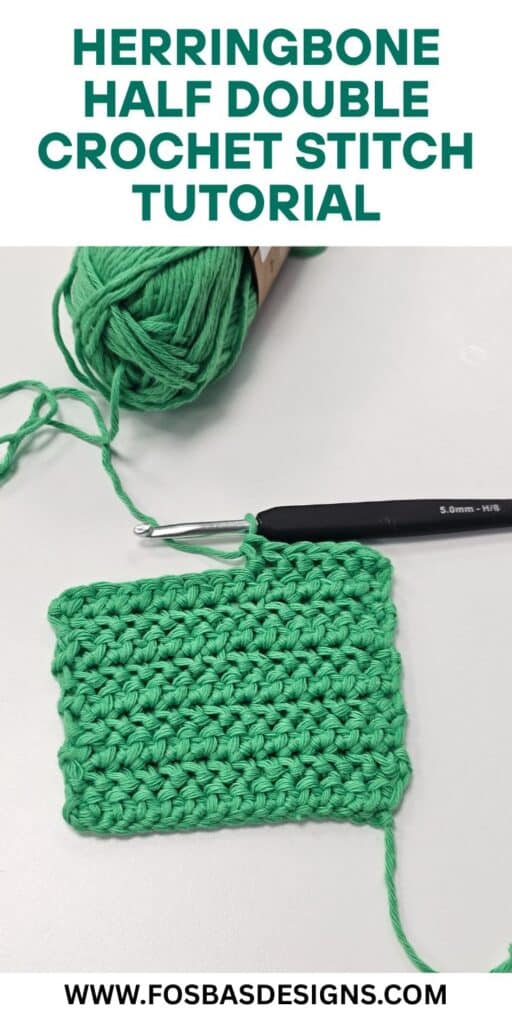
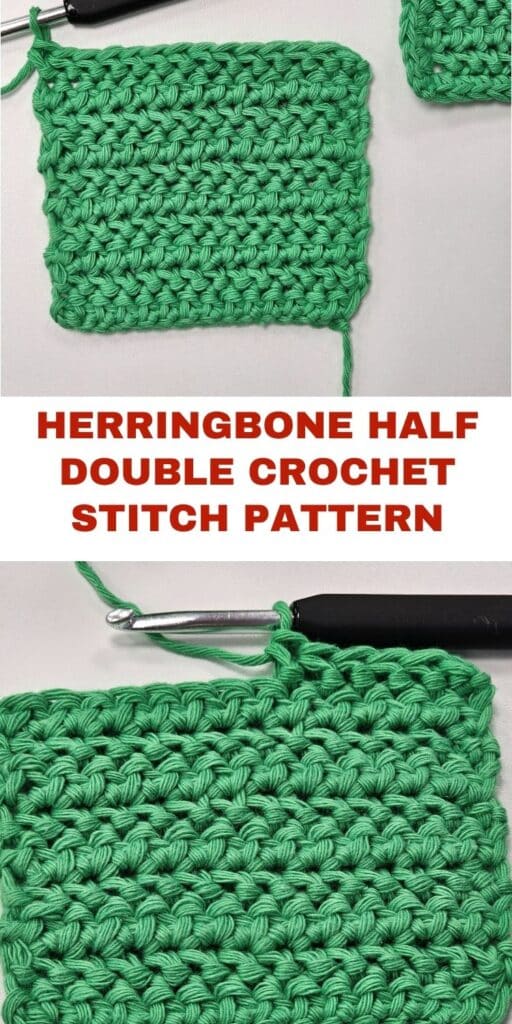
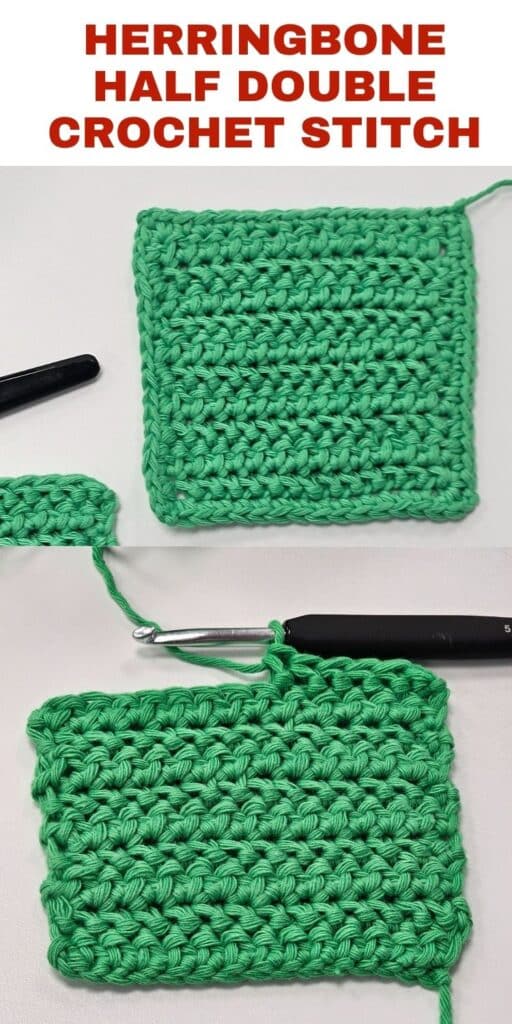
The Herringbone Half Double Crochet (Hhdc) stitch is a simple yet elegant variation of the half double crochet that creates a subtle diagonal texture. It’s a beautiful stitch to add depth and character to your crochet projects, from blankets and scarves to garments and washcloths.

The stitch combines the best of both worlds — the quick height of a half double crochet and the stylish slant that gives it a woven look.
If you’ve mastered the basic crochet stitches and are ready to add something new to your skillset, this stitch is perfect for you. Once you get the rhythm, it’s easy to memorize and creates a stunning texture that looks professional and polished.
Why You’ll Love the Herringbone Half Double Crochet Stitch
This stitch is both beginner-friendly and visually striking. It lies flatter than many textured stitches, making it ideal for garments and accessories that need a clean, finished appearance. The Herringbone texture gives a subtle twist to your standard half double crochet while still working up quickly.
It’s also reversible — both sides have a beautiful, distinct look, giving you flexibility in your design. Whether you’re creating blankets, dishcloths, or clothing, this stitch adds a classic handcrafted touch.
Materials Needed
To practice the Herringbone Half Double Crochet stitch, you’ll only need a few basics:
Yarn
A matching crochet hook
Scissors.
Cotton yarns work beautifully for showing stitch definition, while acrylics or wool blends create soft, cozy fabrics for garments and home projects.
Choose a yarn weight that matches your hook size for even tension and consistency.
How to Crochet the Herringbone Half Double Crochet Stitch
Make a desirable length of chains; this would be your foundation chain.
Step 1: Yarn over, insert your hook into the 3rd chain from the hook, and pull up a loop. You should have three loops on your hook.
Step 2: Pull the first loop you drew up directly through the second loop on your hook.
Step 3: Yarn over again and pull through both remaining loops on your hook.
That’s your first herringbone half double crochet!
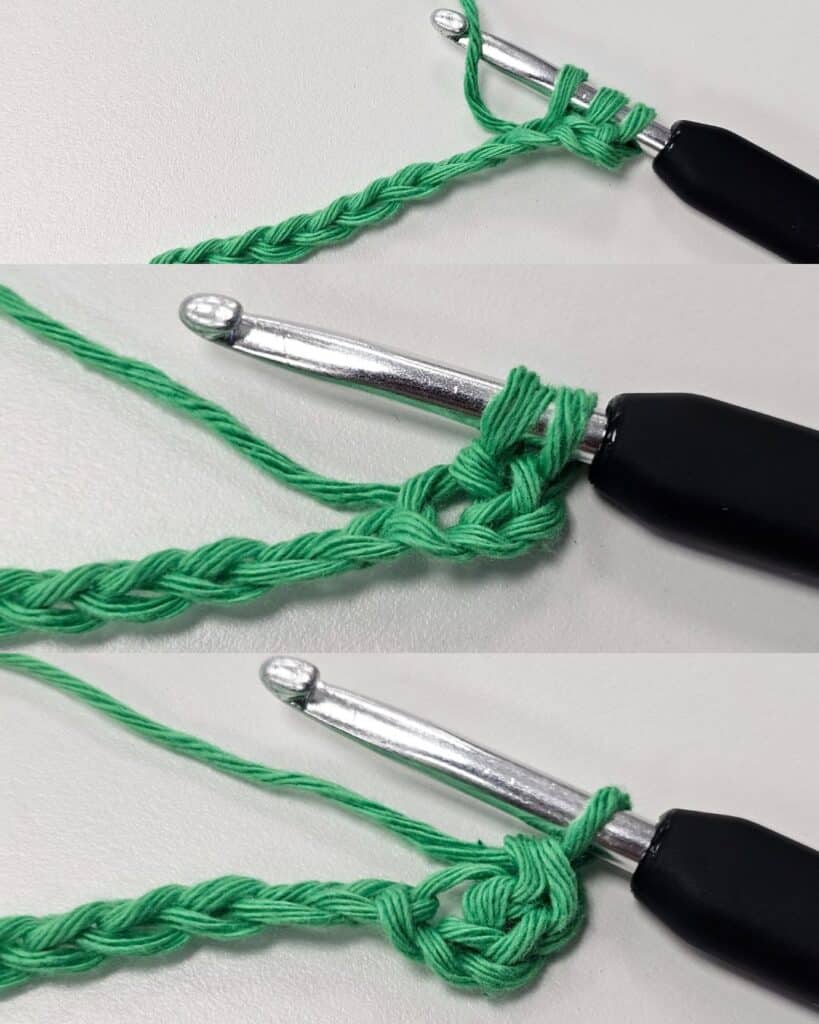
Continue across your row and repeat for each stitch.
When working the next row, chain one and turn.
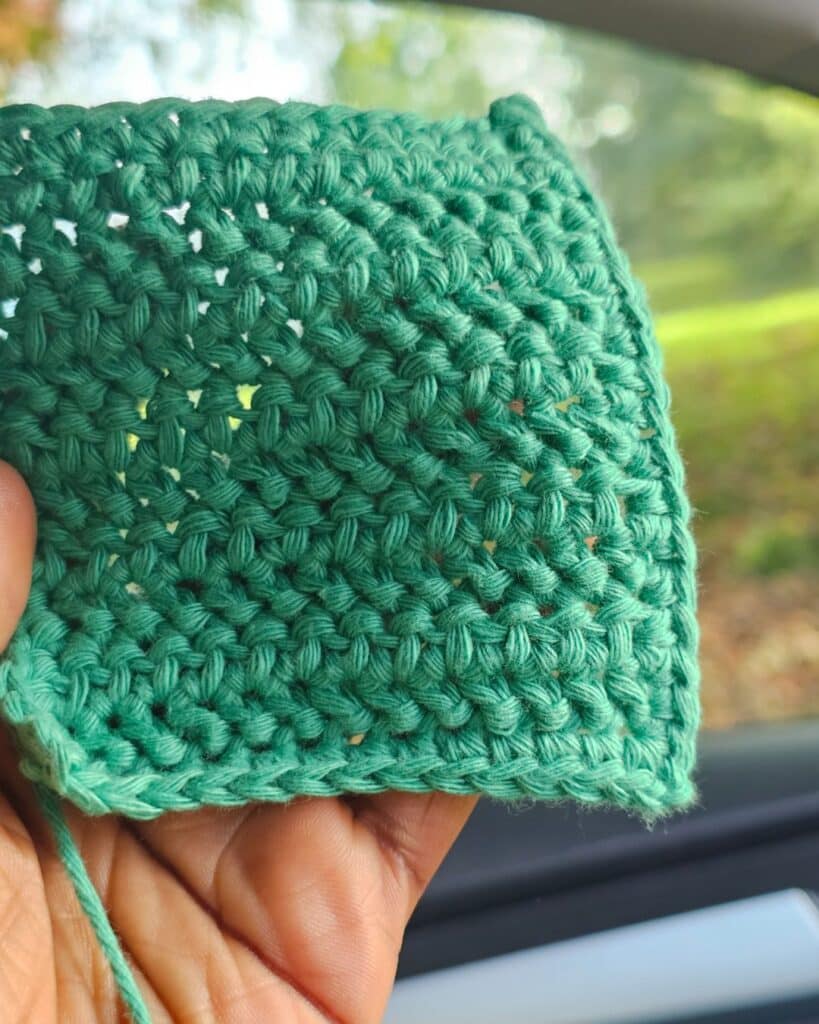
Insert your hook into the top of the previous stitch, not the chain space, to keep your rows even. The diagonal “V” pattern becomes more defined as you continue.
Pro Tips for Mastering the Herringbone Half Double Crochet
Keep a relaxed tension — this stitch tends to tighten up easily due to the diagonal pull.
If your edges start to look uneven, count your stitches at the end of each row. The unique motion of the stitch can make it easy to accidentally skip one.
Blocking your finished project will enhance the clean, woven look of the herringbone texture.
Different Ways to Use This Stitch
The Herringbone Half Double Crochet is incredibly versatile. Try it in projects like:
- Blankets: Creates a smooth yet detailed surface.
- Dishcloths or Washcloths: Durable and textured for practical use.
- Garments: Adds visual interest while staying lightweight.
- Scarves and Cowls: Beautiful drape and texture in one stitch pattern.
You can also alternate it with other stitches like single crochet or front post stitches for a unique pattern mix.
Herringbone Half Double Crochet Stitch Common Questions (FAQs)
Is this stitch beginner-friendly?
Yes! It’s an easy variation on the half double crochet and great for advancing your skills.
Does the stitch use more yarn?
Only slightly more than a regular half double crochet, but the texture makes it worth it.
Can I use this stitch in the round?
Absolutely! It works beautifully in both flat and circular projects, just keep your tension even for consistent diagonal flow.
Conclusion
The Herringbone Half Double Crochet Stitch is one of those rare techniques that’s simple, fast, and effortlessly stylish. Once you’ve tried it, you’ll find yourself using it again and again for everything from baby blankets to sweaters. Its timeless texture and gentle slant make it a staple stitch for every crocheter’s toolkit.
Hi, I’m Susanna!
I am Susanna, the designer and maker behind Fosbas Designs. Here, I share not only crochet designs but also the inspirations and process of each project. I am a happy mother of two handsome boys and a wife to my prince charming. These guys are…
More about meMore Like This
 Easy
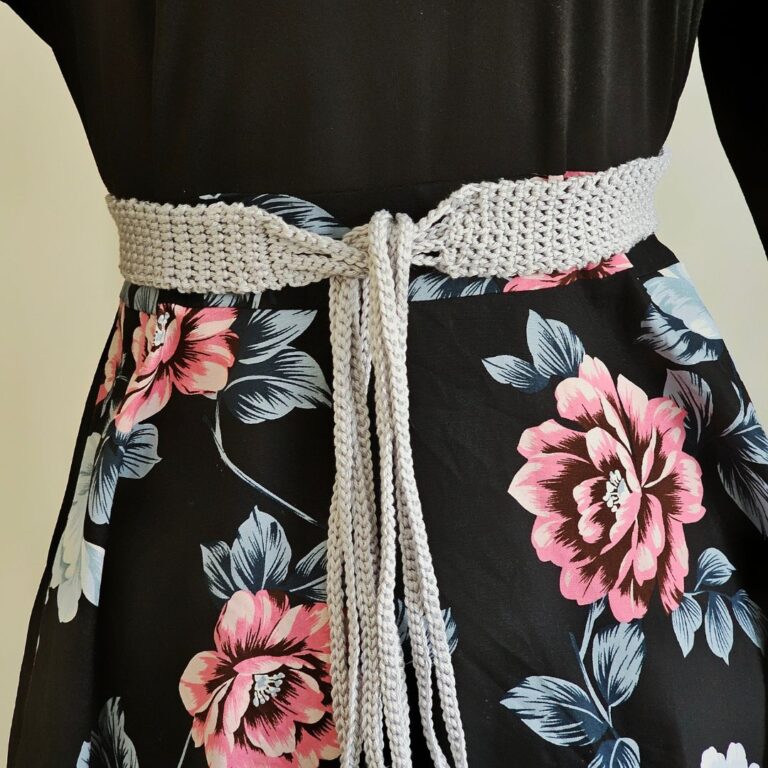
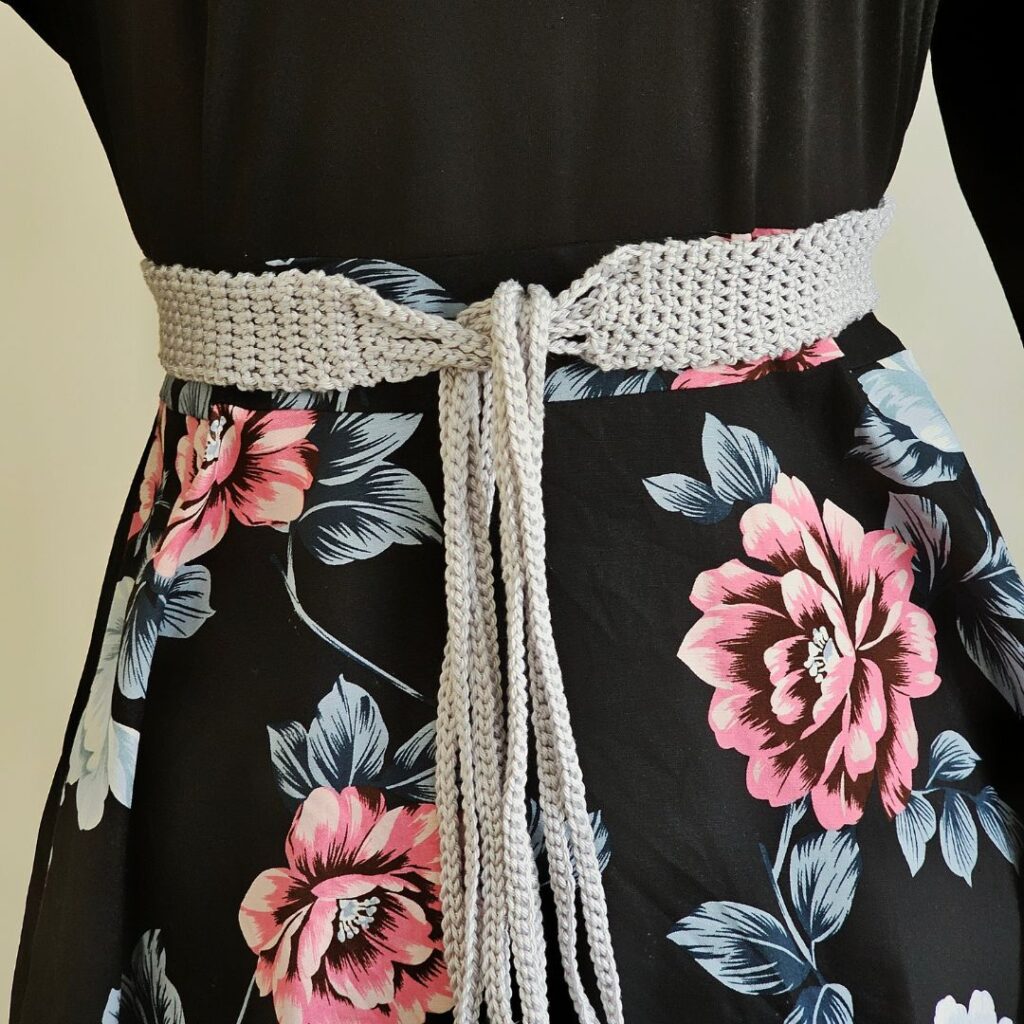
Easy Beginners crochet belt pattern: A Step-by-Step Guide

 Beginner
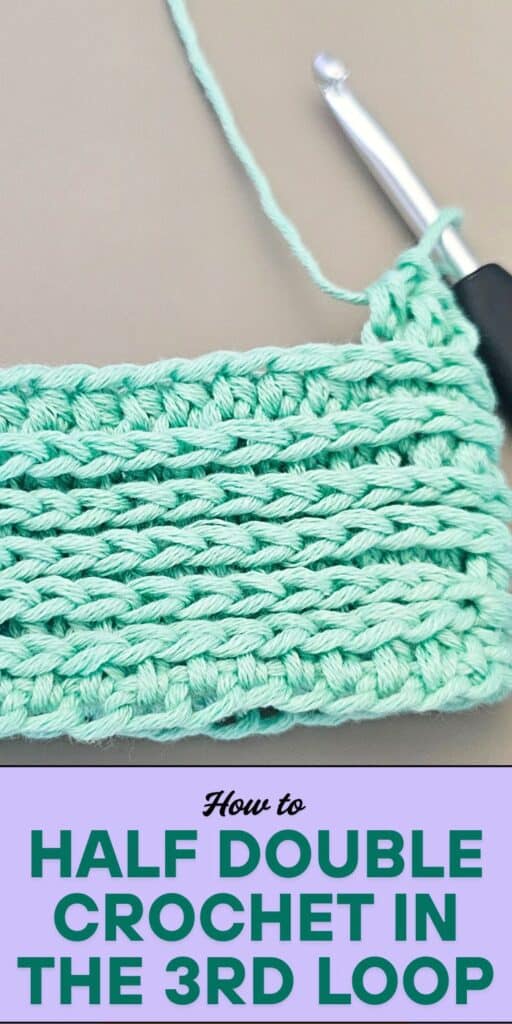
 How to Half Double Crochet in the 3rd Loop – Easy Tutorial
 Intermediate
 Wrapped in Hope Shawl: Free Crochet Prayer Shawl Pattern

 Intermediate
 Snowfall Crochet Tree Skirt pattern
The Basic Crochet Stitches for Beginners
 Intermediate